pусский
  Português
  العربية
  Français
  Español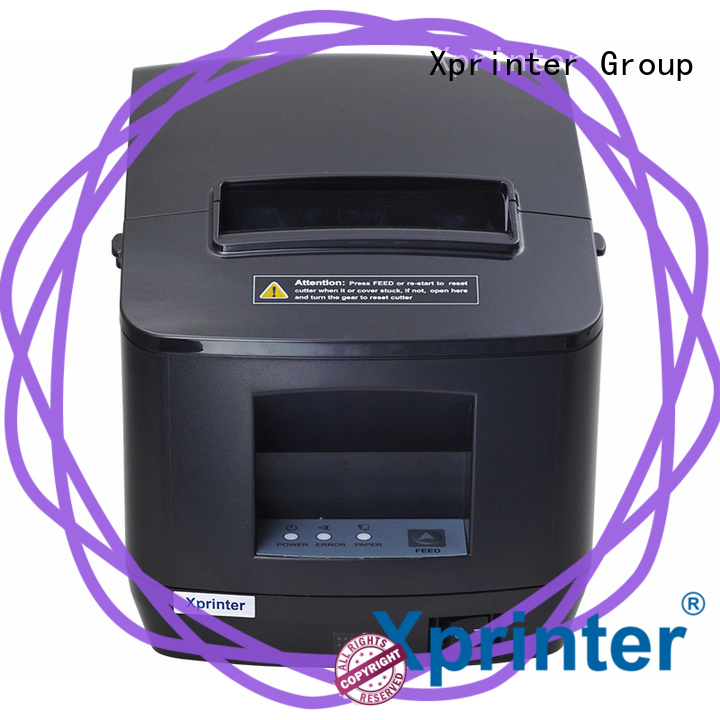
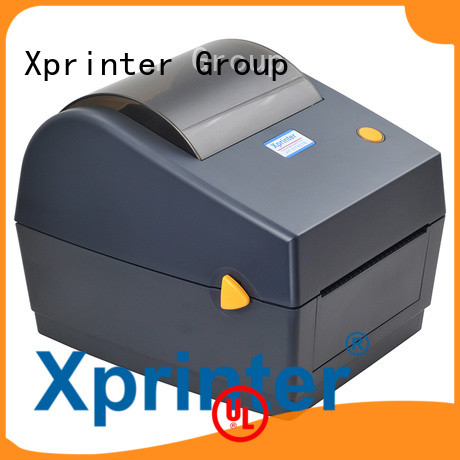
ethernet receipt printer for mall Xprinter
Details about custom thermal printer form Xprinter.
 (+86)-0756-3932978
Xprinter - The World-class Receipt Printer Manufacturer and Service Provider of Printer Products
Some private/international schools follow IGCSE, IB, or Australian/UK curricula.
When the bell for recess ( rehat ) rings, the cafeteria ( kantin ) explodes into life. This is the most vibrant part of Malaysian school life. For RM 1 to RM 3 (roughly $0.30 USD), students can buy nasi lemak , curry puffs , mie goreng , or roti canai . Socializing is cross-cultural; a Chinese student might share a table with a Malay friend eating nasi dagang , while an Indian student sips teh tarik (pulled tea). This daily interaction is the nation’s unofficial unity workshop.
The Malaysian education system has its roots in the country's colonial past. During the British colonial era, education was primarily reserved for the elite and focused on preparing students for administrative and clerical roles. After independence in 1957, the Malaysian government prioritized education as a key driver of national development and social mobility. The Education Act of 1966 marked a significant milestone, establishing a national education system that emphasized unity, social cohesion, and economic growth.
Relationships between seniors and juniors can be intense. In secondary schools, the tradition of orientasi (orientation) often involves harmless but embarrassing games, creating a bond that lasts through Form 5 (Year 11). There is a distinct hierarchy; seniors are often addressed as Abang or Kakak (Brother or Sister), demanding a level of respect that borders on feudal.
Use Bahasa Malaysia as the medium of instruction.
Attendance & participation count toward (up to 20% for scholarships/uni entry).
This is split into three years of Lower Secondary and two years of Upper Secondary. The journey often culminates in the SPM (Sijil Pelajaran Malaysia), a national exam equivalent to the IGCSE.
Some private/international schools follow IGCSE, IB, or Australian/UK curricula.
When the bell for recess ( rehat ) rings, the cafeteria ( kantin ) explodes into life. This is the most vibrant part of Malaysian school life. For RM 1 to RM 3 (roughly $0.30 USD), students can buy nasi lemak , curry puffs , mie goreng , or roti canai . Socializing is cross-cultural; a Chinese student might share a table with a Malay friend eating nasi dagang , while an Indian student sips teh tarik (pulled tea). This daily interaction is the nation’s unofficial unity workshop. Budak Sekolah Melayu- Porn Friend Movies.
The Malaysian education system has its roots in the country's colonial past. During the British colonial era, education was primarily reserved for the elite and focused on preparing students for administrative and clerical roles. After independence in 1957, the Malaysian government prioritized education as a key driver of national development and social mobility. The Education Act of 1966 marked a significant milestone, establishing a national education system that emphasized unity, social cohesion, and economic growth. For RM 1 to RM 3 (roughly $0
Relationships between seniors and juniors can be intense. In secondary schools, the tradition of orientasi (orientation) often involves harmless but embarrassing games, creating a bond that lasts through Form 5 (Year 11). There is a distinct hierarchy; seniors are often addressed as Abang or Kakak (Brother or Sister), demanding a level of respect that borders on feudal. The Malaysian education system has its roots in
Use Bahasa Malaysia as the medium of instruction.
Attendance & participation count toward (up to 20% for scholarships/uni entry).
This is split into three years of Lower Secondary and two years of Upper Secondary. The journey often culminates in the SPM (Sijil Pelajaran Malaysia), a national exam equivalent to the IGCSE.
Copyright © 2025 Xprinter | All Rights Reserved
Hello, please leave your name and email here before chat online so that we won't miss your message and contact you smoothly.