 |
|
|
 |
||
|
|
|
|
||
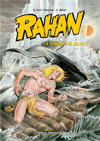
English pages about Rahan, great french comics.
: Look into Japanese streaming services or media databases. They might have more comprehensive information on less well-known titles.
Do not click the link. Do not search the string. The hyphens are a warning sign—a digital fence around content that is either illegal, infected, or both. -Doujindesu.TV--Sakusei-Fushou--Kozukuri-no-Gi-...
The title you've provided seems to reference a specific type of content that might be related to a Japanese term, possibly involving doujin (self-published works), desu (a casual way of saying "is" or used in sentence endings), TV (television), and various other terms that could relate to content creation, viewing, or fan culture. Without a direct translation, it's a bit challenging to dissect, but it seems to touch on themes of self-publishing, content creation, and possibly fan culture in the context of Japanese media. : Look into Japanese streaming services or media databases
To understand this keyword is to understand the dark underbelly of fan-translated media, the medicalization of puberty in anime tropes, and the perils of searching for unlicensed content. Do not search the string
: Try entering the title into a search engine like Google or a specific anime/manga database like MyAnimeList or Anime News Network. These platforms might provide you with more detailed information.
|
All in lot of news : Statuette, exposition, cartoons in video ... (in french) |
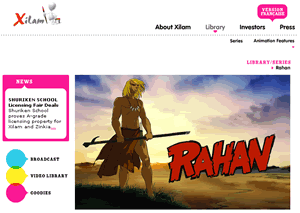 |
New cartoon, by Xilam at the TV in 2009, on France 3 for France see on Xilam web site |
: Look into Japanese streaming services or media databases. They might have more comprehensive information on less well-known titles.
Do not click the link. Do not search the string. The hyphens are a warning sign—a digital fence around content that is either illegal, infected, or both.
The title you've provided seems to reference a specific type of content that might be related to a Japanese term, possibly involving doujin (self-published works), desu (a casual way of saying "is" or used in sentence endings), TV (television), and various other terms that could relate to content creation, viewing, or fan culture. Without a direct translation, it's a bit challenging to dissect, but it seems to touch on themes of self-publishing, content creation, and possibly fan culture in the context of Japanese media.
To understand this keyword is to understand the dark underbelly of fan-translated media, the medicalization of puberty in anime tropes, and the perils of searching for unlicensed content.
: Try entering the title into a search engine like Google or a specific anime/manga database like MyAnimeList or Anime News Network. These platforms might provide you with more detailed information.
|
Last
update : November 2008
|
About this web site in french |
|
|
|
|
|