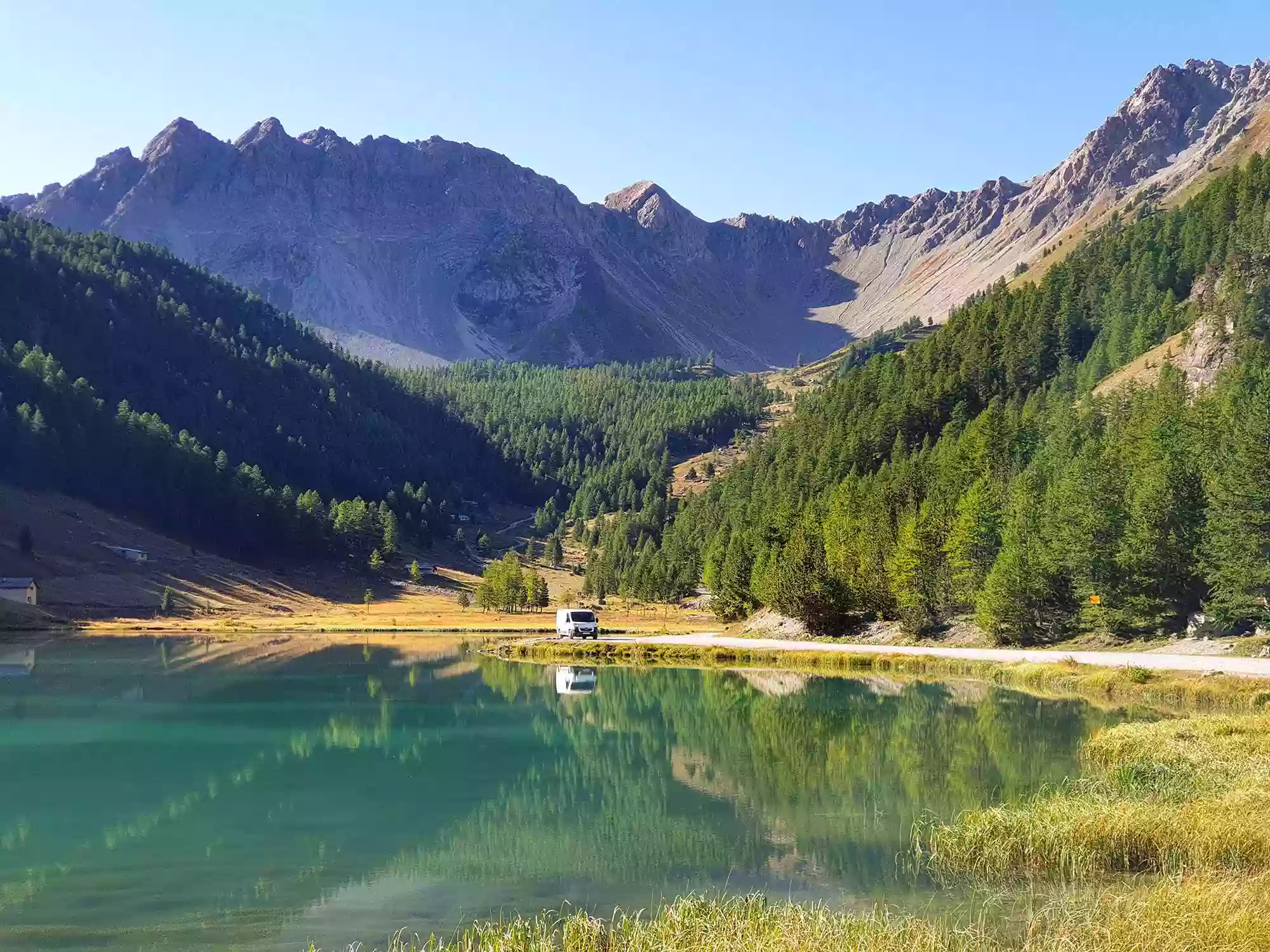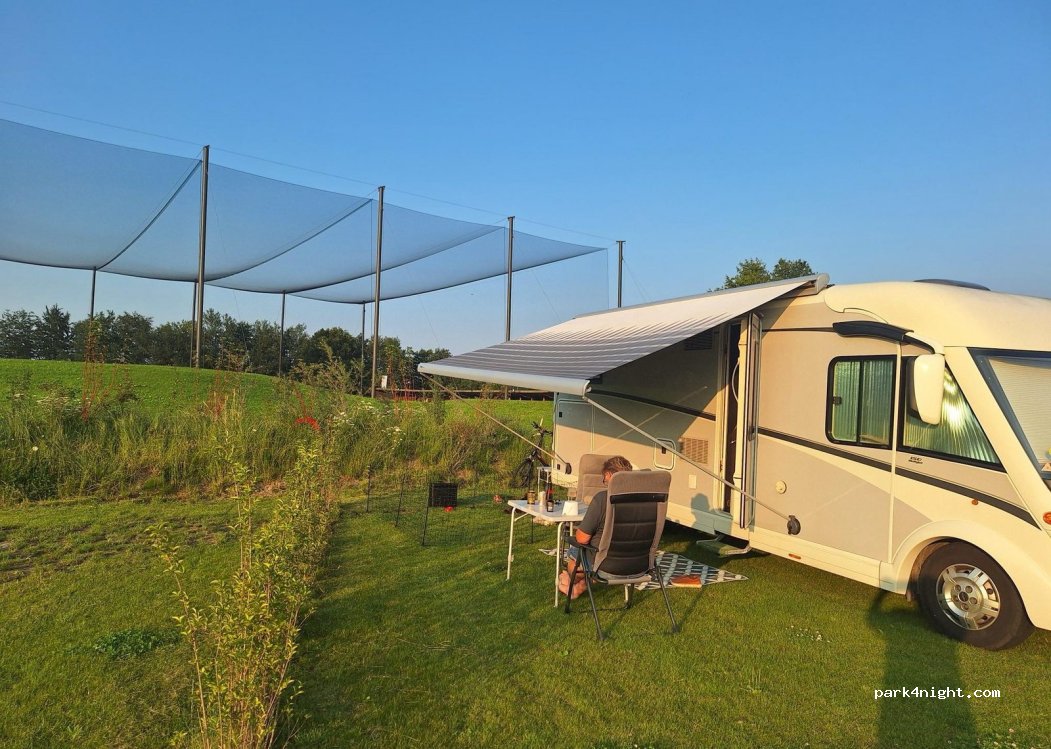

 (3898 LL) Harderwold


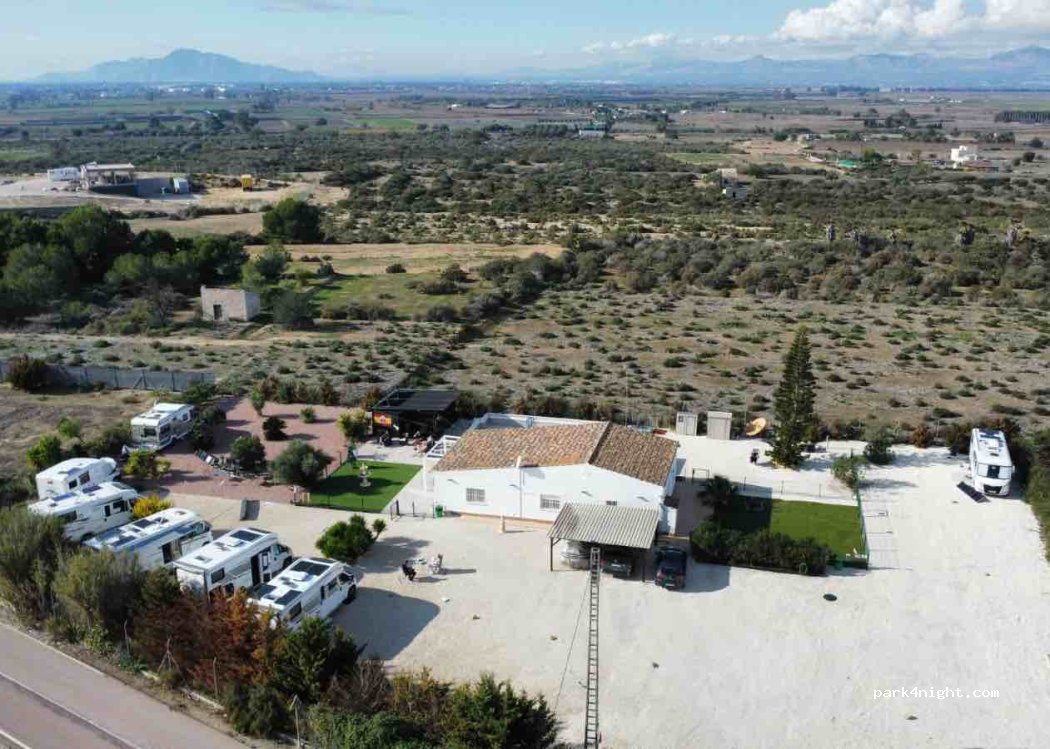
 (3360) Caravan Park U Makaka /Área de autocaravanas


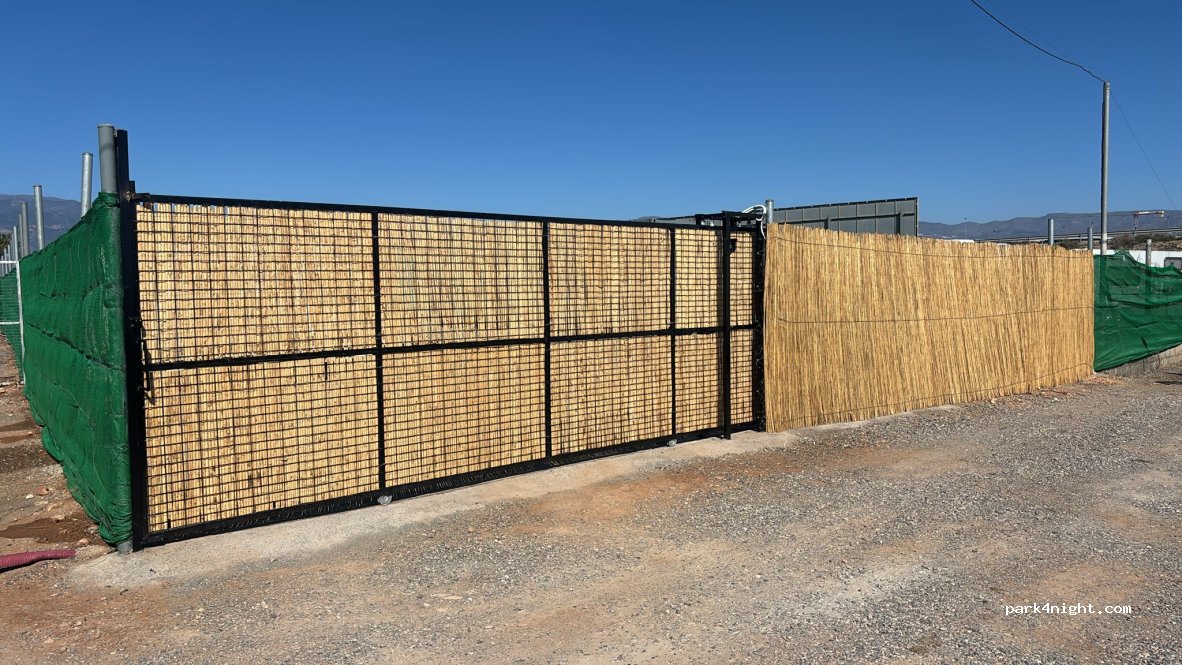
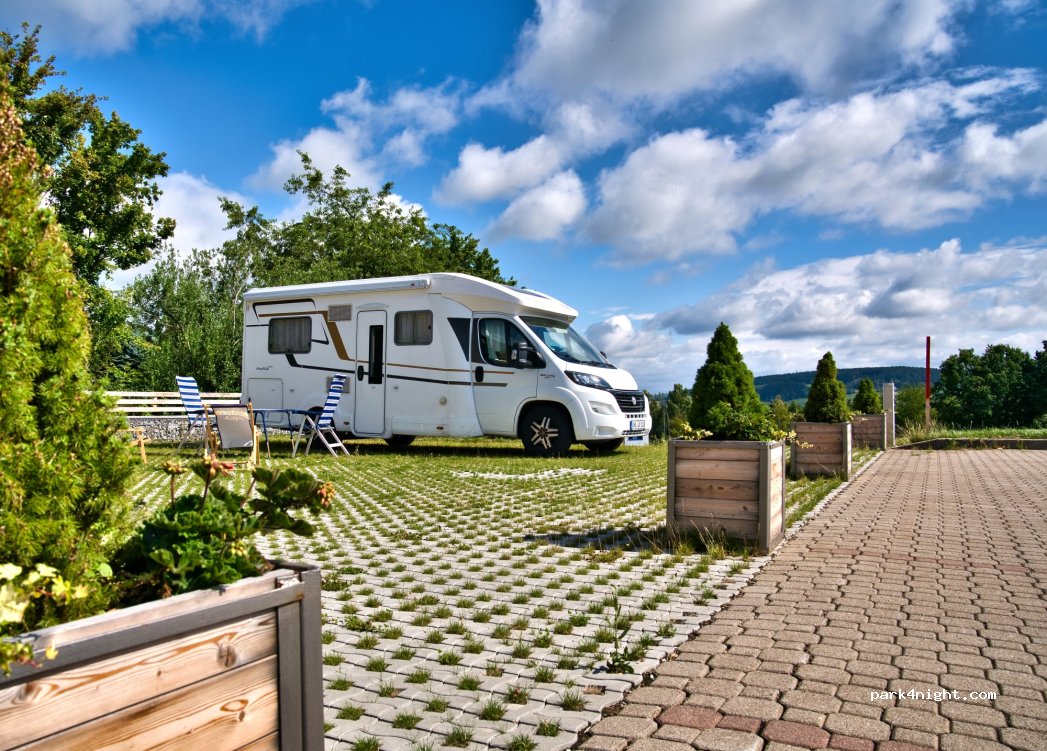

 (09474) Wohnmobilstellplätze Räucherkerzenland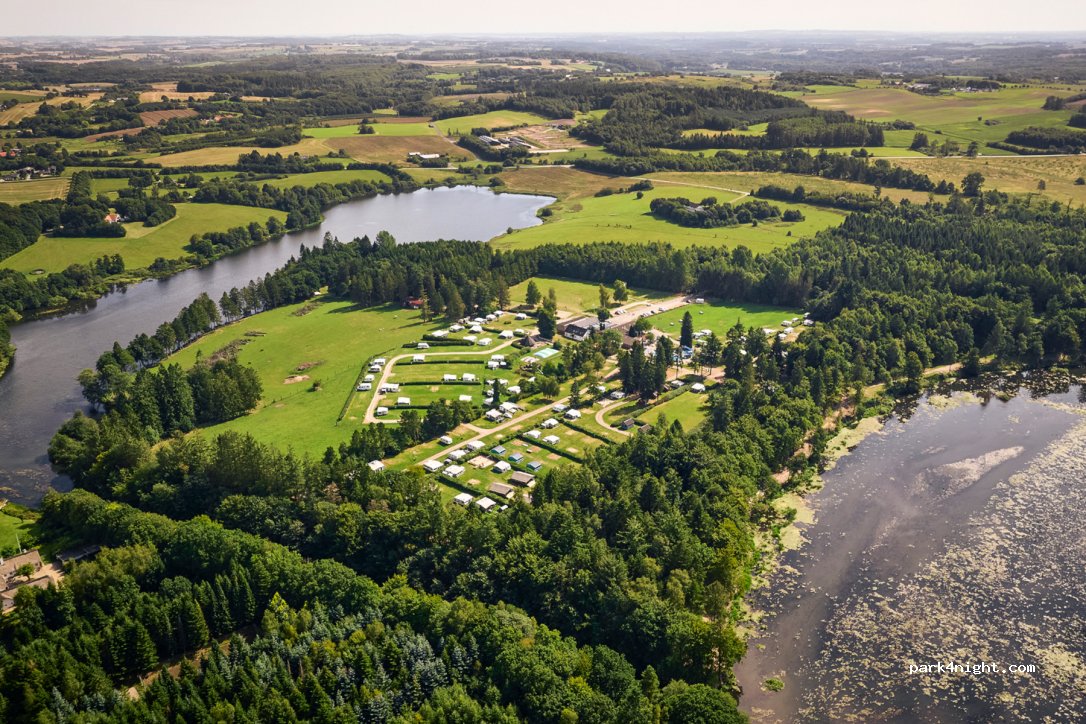

 (8752) Vestbirk Camping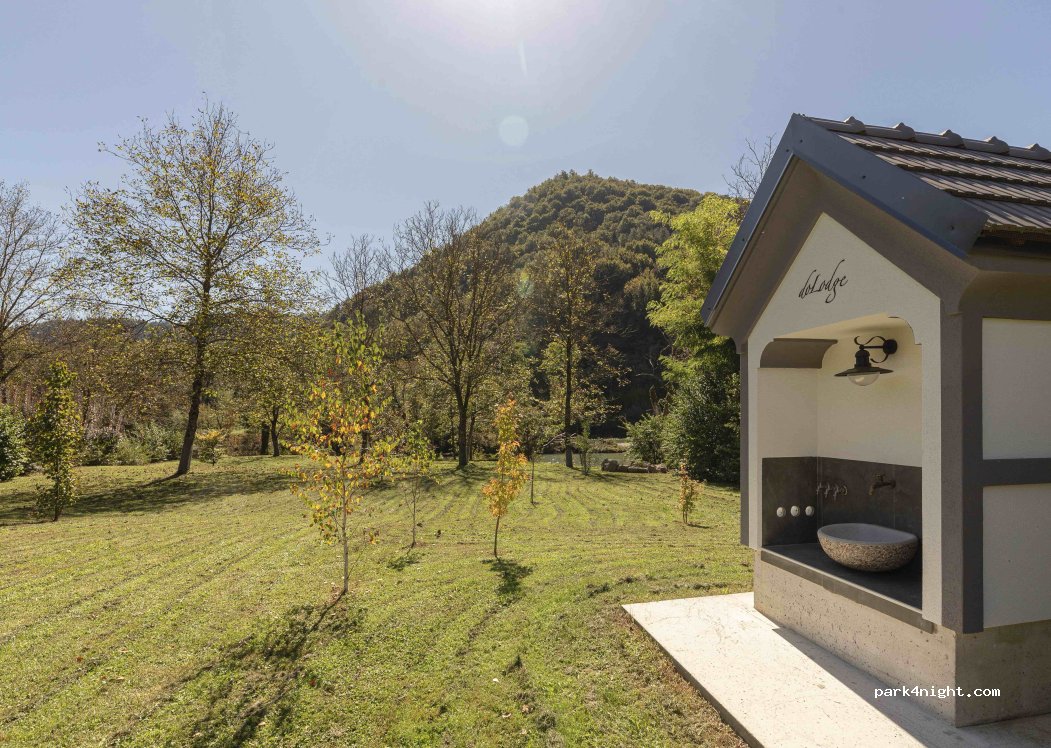

 (8342) doLodge Camper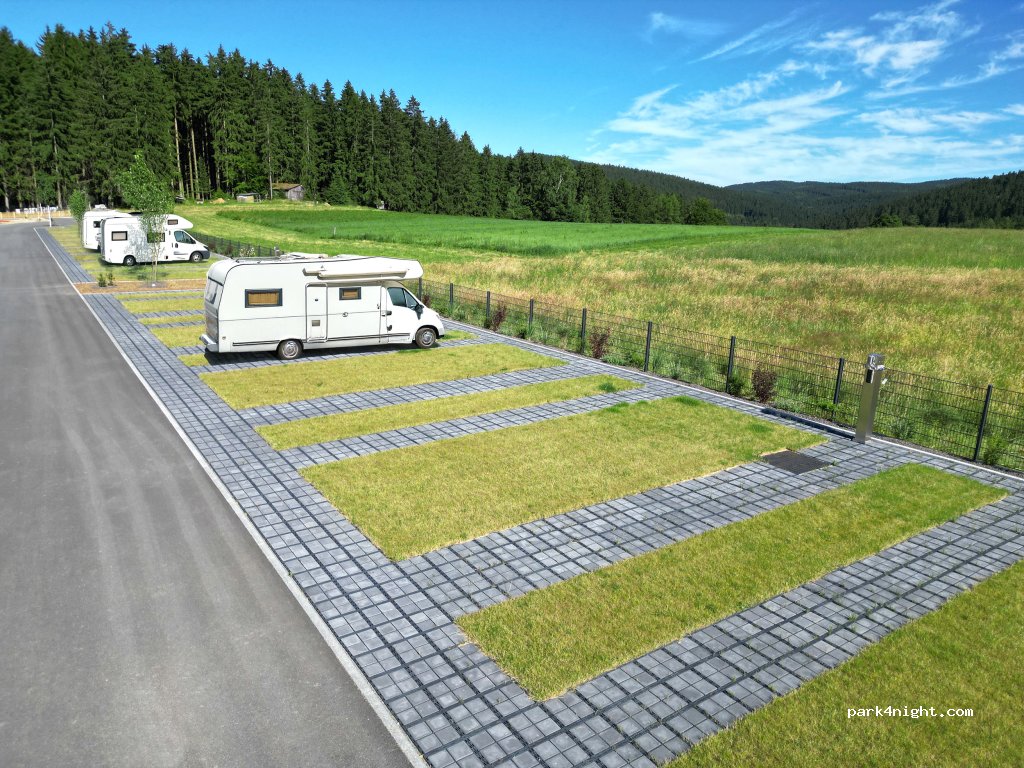
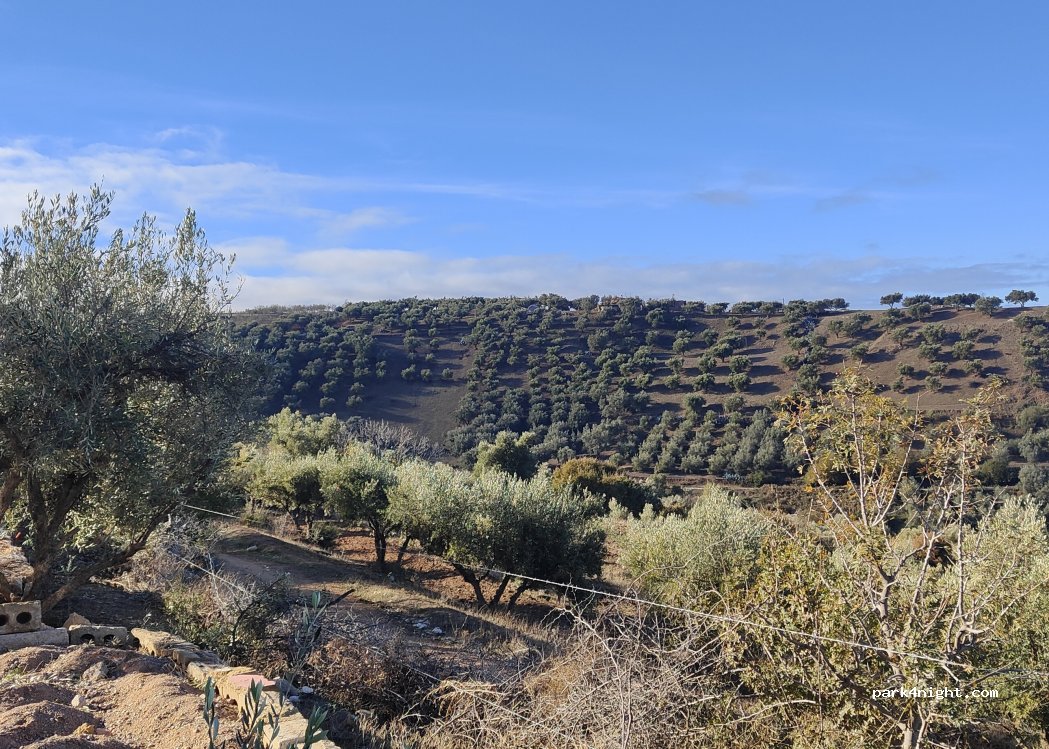
 (50040) Olives et traditions : Le camping autrement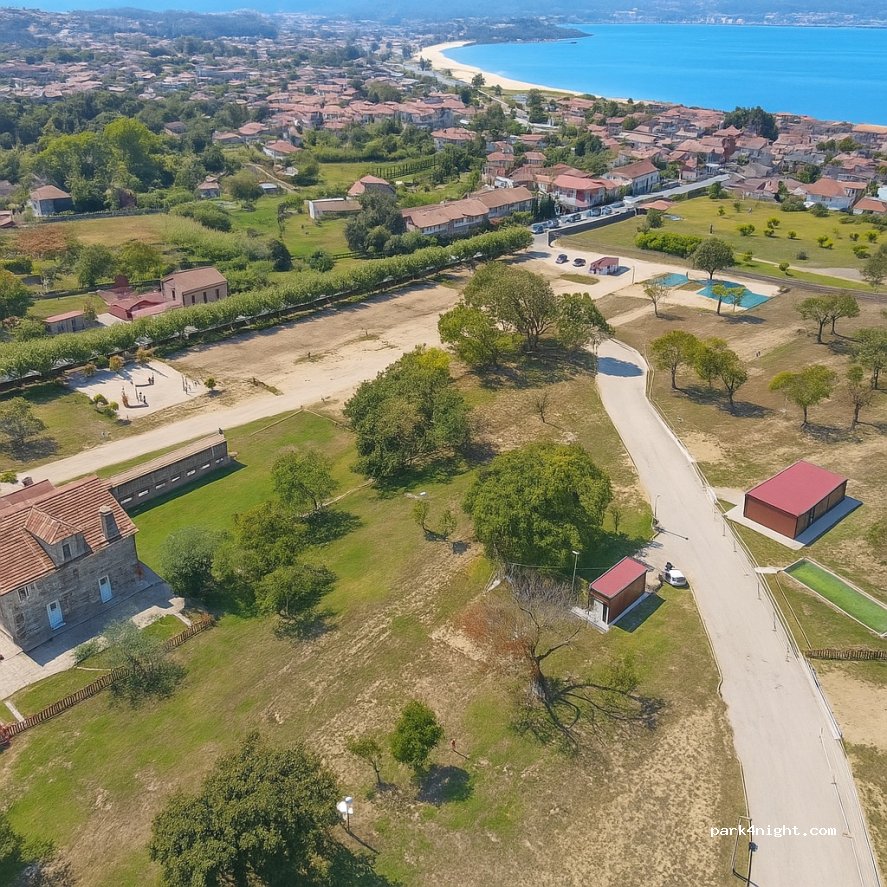
Hdd 4 Live //free\\ File
as a product or brand
Unlike Solid State Drives (SSDs), HDDs rely on mechanical parts. They feature spinning platters and moving read/write heads. Because these components are physical, they are subject to wear and tear. Heat, vibration, and age are the primary enemies of an HDD. Monitoring these drives "live" allows users to catch failing components before a catastrophic crash occurs. Key Metrics for Live Monitoring hdd 4 live
The primary argument against HDDs in live settings is . A live environment is rarely a sterile server room. It involves vibrations from subwoofers, sudden jolts from transportation, and unpredictable temperature shifts. An HDD relies on spinning platters (typically 5,400 or 7,200 RPM) and a moving read/write head that floats nanometers above the magnetic surface. A single drop, a heavy bass kick, or even moving the laptop while the disk is writing can cause a head crash—a catastrophic physical failure. For a live performer, a crashed drive mid-set is not an inconvenience; it is a show-stopping disaster. In contrast, Solid State Drives (SSDs) have no moving parts, making them inherently resistant to the bumps and vibrations of the road. as a product or brand Unlike Solid State
: Right-click the "Unallocated" space on the drive and select New Simple Volume to start the wizard for assigning a drive letter and size. 2. Formatting the File System Heat, vibration, and age are the primary enemies of an HDD
When a new drive is first connected, it must be initialized to define how its data is structured. Accessing Tools : Right-click the button and select Disk Management Initialization Styles GPT (GUID Partition Table)
Another major association for the term is , a veteran utility software designed to protect your data by predicting hard drive failure before it happens.

 Caravan, Motorhome & Adventure
 Camper Caravan Show Warsaw
 Camper Van Week-End Angers-Brissac
 The Motorhome and Caravan Show
 park4night
 Off-line mode (no connection)
 Search your itinerary
 Contact the campsites and private accommodation easily
 And other benefits